Fix Receding Gums Naturally
What To Do To Reverse Receding Gums?
If a dentist is asked concerning their biggest challenge, the solution is clear: Treating Receding Gums. This may be the surest situation that dental patients face. They can not afford to keep paying for regular treatments and learn soon enough which the damage is already done. It's horrible.
The prospect of a large, permanent denture is much worse. In reality, as soon as a person first has a receding gumline, the prospect of a complete removal appears to be a walk in the park. Yet it is a reality for all Americans throughout the present economic recession. Therefore how do you react if a dentist directs you to prepare for a possible full mouth reconstruction or whenever you hear the definition of gum recession?
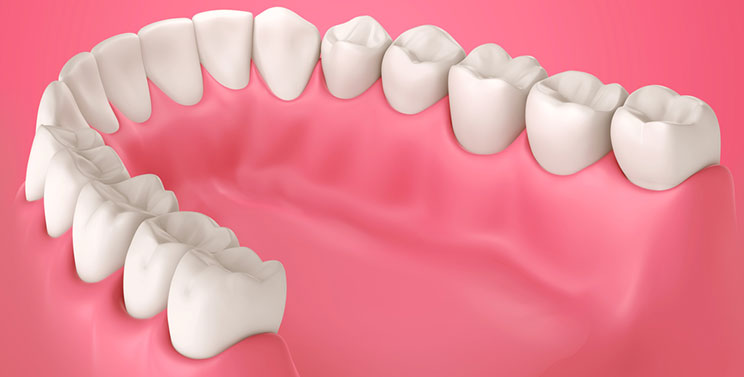
Some experts blame the recession. The poor market has meant fewer people are able to pay for their dental invoices. The resulting effect is periodontitis, a state that contributes to periodontal pockets which expand and recede, damaging the gums. This results in bleeding gums which could be tricky to treat.
The fantastic news is there is an simple method to treat receding gums and teeth. You want to understand what causes the harm. There is just a plaque. The objective of plaque is to serve as a neutralizer for bacteria during meals. Without this layer of bacteria-killing substances, the teeth will quickly become infected. Today Read More About Can You Reverse Receding Gums At Home?
The problem comes when teeth are neglected. Dentists recommend brushing three times a day and flossing also. Which may be enough, but if you are like the majority folks, you forget or are too busy to follow these tips.
Periodontitis and gingivitis can be reversed. It's actually possible. Periodontitis is caused by plaque that builds up in your teeth.
How To Reverse Receding Gums?
Gingivitis happens whenever the protective bacteria within the gums is not able to protect the outline against plaque buildup. That is only because the bacteria accountable for keeping plaque at bay are murdered off. As a result, the plaque easily slides down the gumline, and can do serious harm. If left untreated, the bacteria can irritate the jawbone, creating painful inflammation that is difficult to take care of.
You may have learned concerning periodontal surgery. In reality, periodontal surgery is performed at exactly the exact same dental office at which dentures have been paired. Basically, the physician severs the gum tissue and surgically removes the diseased tissue. Laser surgery is also yet another alternative.
Many people suffering from gingivitis decide never to go to the dentist to treat their condition. In addition, many people avoid seeing their dentist's too frequently as a result of these concern with experiencing bad breath or growing periodontitis. If you are experiencing problems with your gums, see a dentist. Your dentist has many different dental treatment plans that will help you remove your gingivitis and protect against further Gum Disease.
To begin with, your dentist is going to coach you on how you can properly brush your teeth. Proper brushing is essential to keeping your gums healthy. Instead of spending all your time attempting to brush your own teeth, spend some time every morning simply brushing your gums. A very simple brushing routine is all it takes.
Second, your dentist will teach you what toothpaste to make use of to prevent tooth decay. Do not waste your hard earned money on those whitening products that promise to clean your teeth. They just do not work. You want to brush your teeth with a natural toothpaste to prevent the onset of periodontal disease. This is particularly important if you drink coffee or tea, or are a smoker.
Can I Reverse Receding Gums?
Third, your dentist may instruct you on the use of natural remedies for gingivitis and periodontal disease. Certainly one of the best natural remedies for removing plaque would be your Aloe Vera gel. Plaque is produced by bacteria gathering in your teeth. By regularly taking Aloe Vera, your plaque buildup can be prevented.
Last, your dentist may recommend the placement of a pocket septum drain into your mouth. These pockets function to collect excess saliva that will otherwise come back out of your mouth during meals. This is if these pocket septum drains are all used.
Do you have trouble eliminating these receding gums that have begun to appear on your cheeks and around your lips? Are they a hassle to you personally? Do you want to understand the secret to making your gums more happy again? There are several actions you can take in order to reverse the consequences of gum disease has on your gums. All it requires is a little bit of patience and some great dental habits, and you also may kiss good-bye to receding gums in almost no time in any way.
First of all, it helps to understand just how to treat gum disease receding gums before it starts to occur. This means understanding how to see a possible indication of a problem. To do this, use a mirror to consider your gums out of the guts above your gum line and out of the trunk. If you see that a slight melancholy (or recessing) of your tooth line where you should really have a firm, pink gum, then you may have a problem.
The very first step is to be sure and brush your teeth as often as you can. You'll discover toothbrushes especially intended for people who have gingivitis or periodontal disease at most drug stores and supermarkets. It's also helpful to obtain a oral irrigator at your local drugstore, which works similar to a mouthwash. You just wet the device, put it into your mouth and start brushing. The pulsating action of the oral irrigator can help in keeping your gums stimulated and the bacteria out from the mouth.
If you find yourself not able to brush your teeth, the next most useful thing you can do is to have your dentist clean them atleast once per year. You only take your usual toothbrush and see your dentist for a cleaning. This could be done right at work or at the hospital in case you've got trouble journey. During your brushing, your dentist will remove plaque that has built upward, tartar, and some other bacteria that has brought care of your teeth. This cleanup can be done a few times each year, but when you become aware of plenty of tartar buildup or you also own a great deal of unsightly bacteria buildup, you might need more than 1 cleaning.
Can I Reverse Receding Gums Naturally?
When you brush make sure that you return on your toothbrush many times. You want to get rid of any sticky food along with other debris you overlooked during your last brush. Also, brushing your teeth may help to break down the calcium that's built up on your toothbrush and pockets between your teeth and gum line. By breaking down this food or eliminating it from your mouth, it is possible to cut back on the amount of time it requires for bacteria to grow between your teeth and gums.
If you are having any difficulty with your teeth and gums currently, you might want to seek the advice of your dentist about whether or not you should take a look at doing something as straightforward as a special toothpaste. All these toothpastes will help remove the bacteria which are making your mouth feel awful. They may also reverse receding gum line and will be especially good for people who have periodontitis. When you use a specific toothpaste onto your own teeth and gums twice a day, you might help restore the tissue to a healthy condition and keep your mouth and gums healthy.
A unique cleaning agent may be applied directly to the gum recession in the event that you find that you have excessive pockets of bacteria. The soap may kill the bacteria which are in the pockets and will help to open them up in order that they may be scraped off. But, it's important to bear in mind that not all bacteria are murdered by those cleansing agents. The broker should be left the gum recession for thirty minutes and then a brand new application has to be made for at least 3 times per week.
The previous solution for treating receding gums is always to opt for a good toothpaste. You need to choose one that comprises fluoride. Fluoride is shown to fight and avoid the bacteria that cause gingivitis and it can also restore the tissue in your gums to a healthy condition. Your dentist may indicate a fluoride toothpaste or you can buy one on your home and apply it yourself.